🎙 Podcast Version
2-host dialogue — ALEX & SAM discuss this course.
Building an AI-Powered Knowledge System: The Second Brain Architecture
Overview
This course guides you through setting up a highly efficient, scalable system for managing personal knowledge, often referred to as a "Second Brain." We will explore a specific, proven structural methodology designed to leverage Large Language Models (LLMs) for content generation while maintaining strict control over the original source material. This system allows you to transform raw data into deeply linked, elaborated knowledge, optimizing the workflow for knowledge acquisition and synthesis.
Background & Context
The concept of the "Second Brain" emerged from the need to move beyond simple note-taking and create a persistent, interconnected system for personal knowledge. In the context of modern AI-driven knowledge management, this system solves the common problem of information overload and the difficulty of synthesizing vast amounts of disparate data. It is championed by the principle that knowledge should not just be stored, but actively linked and processed. This methodology fits into the broader landscape of personal knowledge management by introducing a dynamic, model-driven layer on top of static source material, bridging the gap between raw data collection and actionable, synthesized insight.
Core Concepts
The Second Brain Philosophy
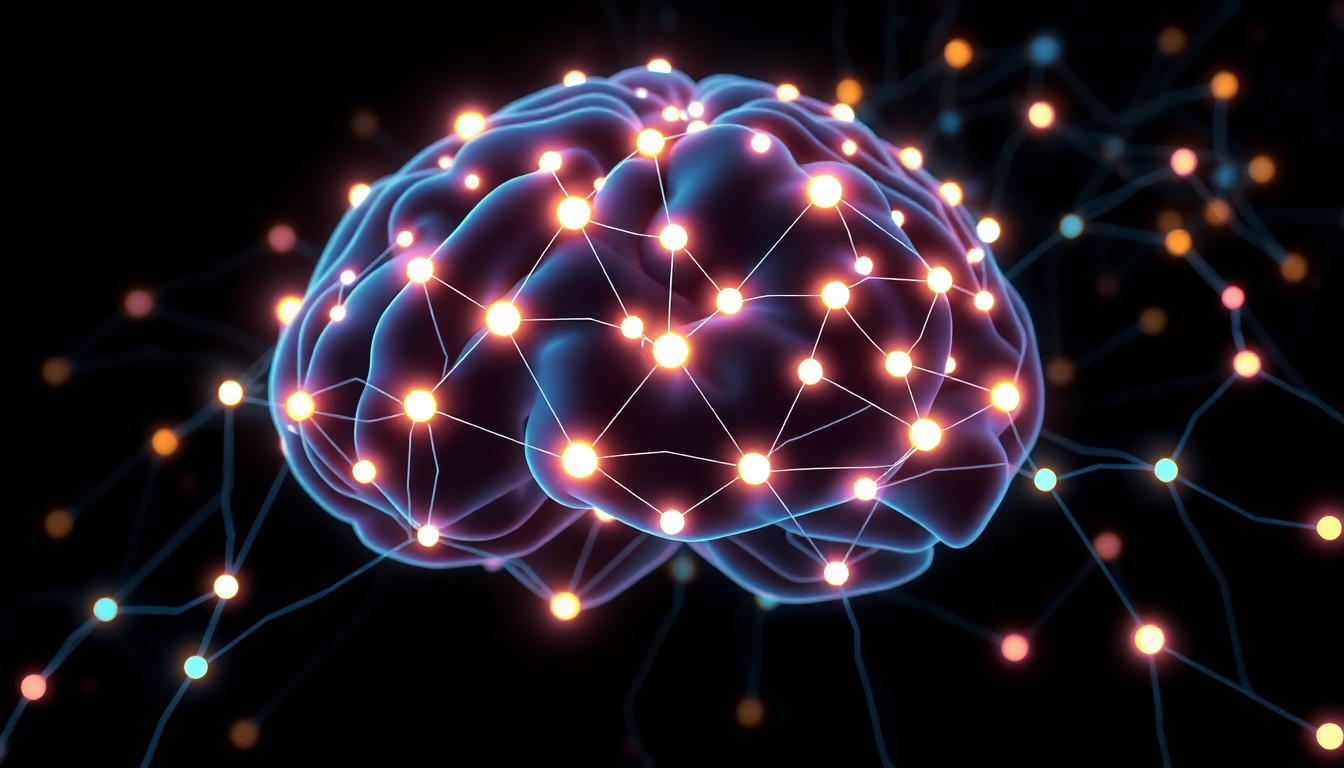
A Second Brain is an external, organized system designed to capture, process, and connect all of an individual's knowledge. It moves beyond simple storage by focusing on creating relationships between ideas, allowing the knowledge base to serve as an active tool for learning, thinking, and creative output, rather than just an archive of facts. This system shifts the focus from merely remembering information to actively understanding and applying it.
The Raw Data Layer (raw/)
The raw/ folder represents the foundational layer of your knowledge system. This directory is designed to hold your sources, documents, and notes exactly as they are acquired, untouched and unaltered. This layer serves as the immutable source of truth. It is crucial to keep the raw data separate from the processed output to maintain data integrity and traceability, ensuring that the original context is always preserved.
The Processed Knowledge Layer (wiki/)
The wiki/ folder represents the processed, synthesized, and interconnected layer of your knowledge. This is where the AI model actively writes, processes, and maintains the content, linking ideas together and creating elaborated narratives. This layer is the output of the processing workflow, designed to be the highly accessible and interconnected view of your knowledge.
The Elaboration Principle
A key principle of this architecture is the ability for a single source in the raw/ layer to touch multiple pages in the wiki/ layer. This concept emphasizes that raw sources are not just simple reference points; they are rich seeds from which complex, detailed explanations and linked concepts can be autonomously generated by the system. One source can therefore expand to cover 10 to 15 pages of linked, contextualized knowledge, enabling deep dives into specific topics.
How It Works / Step-by-Step
This system operates as a structured, two-stage workflow designed to maximize the utility of both raw input and generated output.
Step 1: Ingestion (Populating raw/)
Begin by collecting all your raw sources, articles, notes, and research materials and placing them into the designated raw/ directory. At this stage, the material is untouched; it remains the absolute source of truth.
Step 2: Processing and Generation (The Model's Role)
The Large Language Model (LLM) is then tasked with reading the content within the raw/ sources. The model’s job is not to simply summarize, but to synthesize the information, elaborate on concepts, generate context, and structure the information into coherent articles or wiki pages.
Step 3: Synthesis and Linking (Populating wiki/)
The model generates the elaborated content and stores it within the wiki/ directory. Critically, the model ensures that all generated content is linked back to the original source in the raw/ layer. This linking process is what transforms simple data into an interconnected knowledge graph.
Step 4: Review and Refinement
Users review the content in the wiki/ layer, benefiting from the AI-generated depth and structure, while maintaining the ability to trace every piece of information back to its original source in raw/.
Real-World Examples & Use Cases
This setup is powerful because it separates the act of gathering information from the act of organizing and refining it.
Example 1: Deep Dive Research
Imagine you have a single, dense academic paper in your raw/ folder about quantum computing. Instead of manually rewriting and organizing it, the system uses this source to generate 10 to 15 highly detailed wiki pages. One page might cover the history, another might detail specific algorithms, a third might compare quantum vs. classical systems, and another might list key researchers—all seamlessly linked back to the single original paper. This enables instantaneous, multi-faceted exploration of a single topic.
Example 2: Content Amplification
If you write a foundational article in your raw/ folder (like the article that achieved 1.3 million views), the system can automatically process that single source and generate a comprehensive set of related guides, tutorials, and expanded discussions in the wiki/ folder. This leverages the initial work to create a massive library of interconnected content without requiring the author to manually create every related piece.
Example 3: Knowledge Synthesis for Projects
When starting a new project, you can query the wiki/ layer for related concepts. Because the wiki is heavily linked, the system can pull together 10-15 pages from disparate sources to synthesize a holistic understanding of a complex topic, immediately providing a comprehensive overview that is contextually rich and evidence-based.
Key Insights & Takeaways
- Maintain a strict separation between your raw, untouched source material (
raw/) and your processed, interconnected knowledge base (wiki/) to ensure data integrity and traceability. - The power of this system lies in leveraging an LLM to transform static raw data into dynamic, deeply linked, and elaborated content.
- By allowing one source to inform 10 to 15 pages, you achieve unprecedented levels of detail and interconnectedness within your knowledge structure.
- The structure transforms knowledge management from a linear filing system into an interconnected knowledge graph, which is essential for deep thinking and synthesis.
- The process ensures that the original context of every piece of information is always preserved, mitigating the risk of hallucination or loss of original meaning.
- This architecture allows for massive content amplification, enabling you to turn single sources into entire libraries of interconnected knowledge.
Common Pitfalls / What to Watch Out For
The primary pitfall is neglecting the separation between raw/ and wiki/. If you attempt to edit or modify the source material directly in the raw/ layer, you compromise the integrity of your original data, making tracing the information impossible. Another pitfall is expecting the model to simply regurgitate the raw text; the goal must be the elaboration and contextualization of the material, requiring careful prompting to ensure deep analysis is performed, not mere summarization. Finally, beware of creating a knowledge base that is purely synthetic; always verify the complex, linked information in the wiki/ layer against the raw/ layer to confirm accuracy.
Review Questions
- Explain the fundamental difference between the
raw/folder and thewiki/folder, and why maintaining this separation is critical for a robust knowledge system. - Describe the mechanism by which a single source in the
raw/layer can inform 10 to 15 pages in thewiki/layer, and what this capability enables for knowledge management. - If you were asked to verify a complex fact in your
wiki/layer, which directory would you consult first to ensure absolute accuracy, and why?
Further Learning
To build upon this knowledge, focus on integrating advanced Retrieval-Augmented Generation (RAG) techniques to automate the linking process. Explore advanced knowledge graph databases (like Neo4j) to further visualize the interconnectedness of your knowledge. Connect this setup to principles of personal learning frameworks, such as Zettelkasten, to understand how to actively engage with the knowledge you have built, moving beyond passive storage to active learning.