🎙 Podcast Version
2-host dialogue — ALEX & SAM discuss this course.
Understanding Personal Knowledge Bases through the Lens of Neural Networks
Overview
This course will delve into the fascinating intersection of personal knowledge management and neural networks, as inspired by a real-life example of a leaked Obsidian vault belonging to Anthropic's Lead Engineer. We will explore the underlying concepts, structure, and potential of such a system, as well as its practical applications and key takeaways.
Background & Context
Personal knowledge management is the process of actively acquiring, organizing, and applying information to enhance one's personal and professional growth. In recent years, tools like Obsidian, Roam Research, and Logseq have gained popularity due to their ability to create a personal wiki or knowledge base, which can be interconnected and easily searchable.
Neural networks, on the other hand, are algorithms designed to recognize patterns and learn from data inputs. They consist of interconnected nodes and layers, which process and transmit information to produce outputs.
The leak of Anthropic's Lead Engineer's Obsidian vault offers a unique opportunity to examine the parallels between personal knowledge management and neural networks.
Core Concepts
Personal Knowledge Base
A personal knowledge base is a collection of information, ideas, and resources that an individual uses to support their learning, problem-solving, and decision-making processes. It often includes notes, articles, book summaries, and other forms of curated content.
Neural Network Structure
Neural networks are composed of interconnected nodes and layers, which process and transmit information. The nodes receive inputs, apply a function (such as ReLU activation), and pass the output to the next layer.
#### Nodes
Nodes are the individual processing units in a neural network. They receive inputs, apply a function, and produce outputs.
#### Links
Links are the connections between nodes, which allow information to flow through the network.
#### Layers
Layers are collections of nodes that perform specific functions in the network. There are typically three types of layers: input, hidden, and output.
Obsidian
Obsidian is a popular personal knowledge management tool that allows users to create a local, interconnected knowledge base using plain text files.
How It Works / Step-by-Step
- Create a Personal Knowledge Base: Use a tool like Obsidian to create a local, interconnected knowledge base using plain text files.
- Organize Your Content: Categorize your notes, articles, and resources using a consistent system, such as tags or links.
- Connect Your Ideas: Create links between related concepts, allowing your knowledge base to become interconnected and easily searchable.
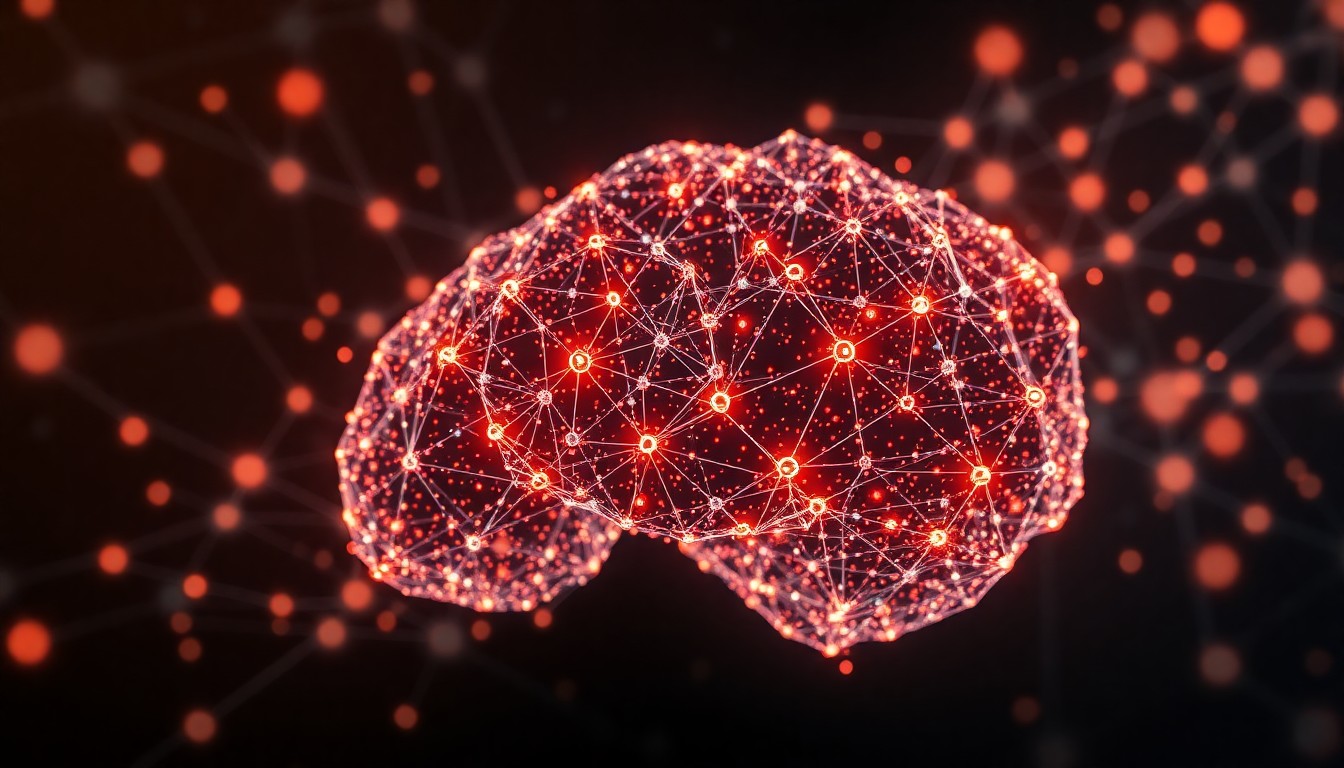
- Apply Neural Network Concepts: Visualize your knowledge base as a neural network, with nodes representing individual notes and links representing the connections between them.
- Analyze the Structure: Identify the inputs, hidden layers, and output layers of your neural network-inspired knowledge base.
Real-World Examples & Use Cases
- Project Management: Use a neural network-inspired knowledge base to organize tasks, deadlines, and resources for a complex project.
- Writing and Research: Create an interconnected knowledge base to support your research and writing process, linking related ideas and sources.
- Professional Development: Maintain a personal knowledge base to track your career growth, record insights from conferences, and organize professional resources.
Key Insights & Takeaways
- Personal knowledge bases can be visualized as neural networks, with nodes and links representing individual notes and the connections between them.
- A well-organized knowledge base can serve as a powerful tool for learning, problem-solving, and decision-making.
- Interconnecting ideas and resources can lead to serendipitous discoveries and new insights.
- Regularly updating and maintaining your knowledge base is essential for its long-term value.
Common Pitfalls / What to Watch Out For
- Overcomplicating the structure of your knowledge base can hinder its usability.
- Failing to maintain your knowledge base can lead to outdated or irrelevant information.
- Relying solely on a digital tool for knowledge management may limit your ability to recall and apply information in different contexts.
Review Questions
- How does a personal knowledge base differ from a traditional wiki or database?
- Describe the process of transforming a personal knowledge base into a neural network-inspired structure.
- Identify three potential use cases for a neural network-inspired personal knowledge base.
Further Learning
- [Deep Learning Specialization on Coursera](https://www.coursera.org/specializations/deep-learning)
- [Personal Knowledge Management: Organizing and Integrating New and Existing Knowledge](https://www.amazon.com/Personal-Knowledge-Management-Organizing-Integrating/dp/0134053555)
- [Building a Second Brain: A Proven Method to Organize Your Digital Life and Unlock Your Creative Potential](https://www.amazon.com/Building-Second-Brain-Organize-Creative/dp/1523098515)