🎙 Podcast Version
2-host dialogue — ALEX & SAM discuss this course.
Understanding Personal Knowledge Bases through the Lens of Neural Networks
Overview
In this course, we will explore the concept of a personal knowledge base, specifically as it pertains to the use of the note-taking app Obsidian, and how its structure can be analogous to that of a neural network. We will delve into the key components of such a system, including nodes and links, and how they can be used to create a robust and interconnected network of information.
Background & Context
The use of personal knowledge bases has gained popularity in recent years as a means of organizing and enhancing one's understanding of various topics. These digital "vaults" of information can serve as a powerful tool for learning and retention, allowing users to create connections between disparate pieces of information and synthesize new insights.
In this particular case, the lead engineer at Anthropic has made headlines for accidentally leaking their personal Obsidian vault, which was found to be structured in a way that closely resembles a neural network. This serves as an interesting example of how the principles of machine learning can be applied to personal knowledge management.
Core Concepts
Personal Knowledge Base
A personal knowledge base is a digital repository of information that is used and maintained by an individual for the purpose of learning and retention. This can include notes, articles, book excerpts, and other forms of information, all of which are organized and interconnected in a way that allows for easy navigation and retrieval.
Nodes
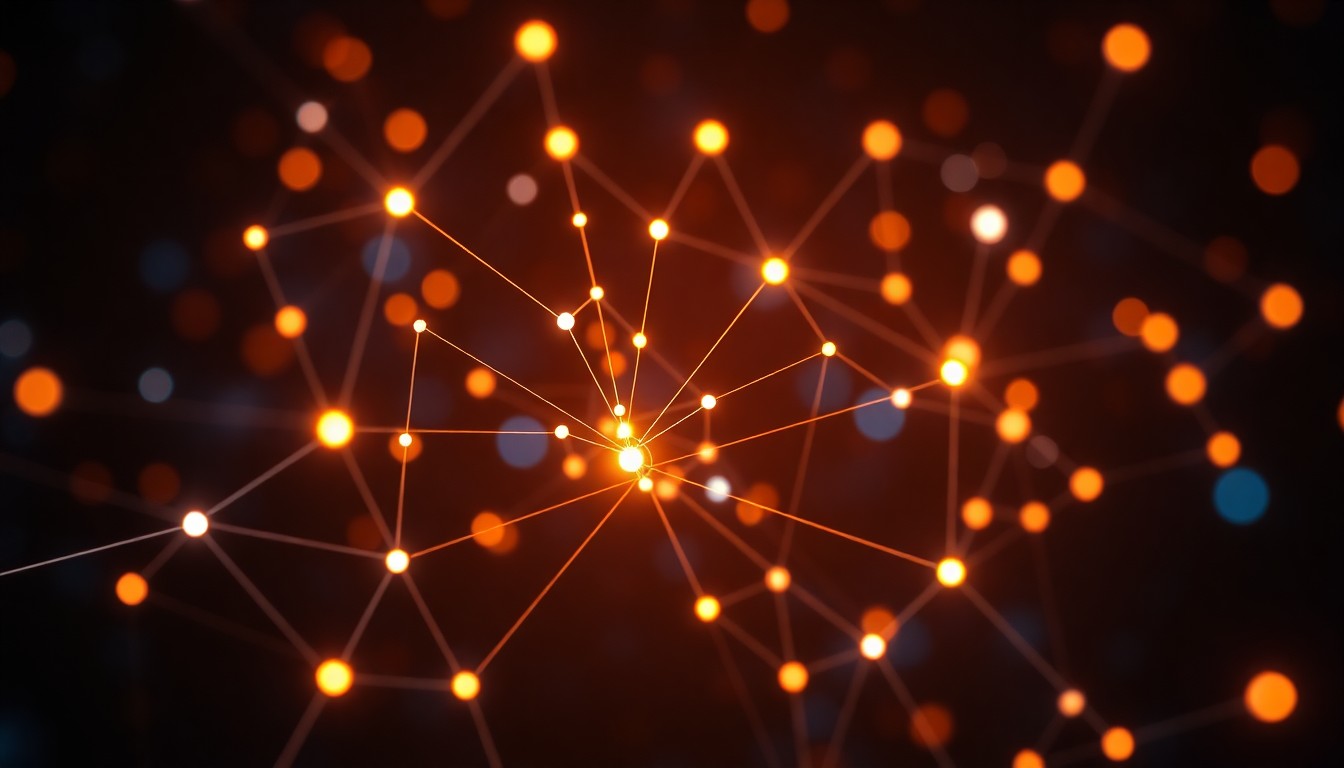
In the context of a personal knowledge base, nodes refer to individual pieces of information, such as a single note or article. These nodes serve as the building blocks of the knowledge base, and can be connected to one another in various ways to form a larger network.
Links
Links are the connections between nodes in a personal knowledge base. These can be explicit, such as when one note directly references another, or implicit, such as when two notes cover related topics. The use of links allows for the creation of a complex and interconnected network of information.
Neural Networks
A neural network is a type of machine learning model that is inspired by the structure and function of the human brain. It consists of a large number of interconnected nodes, or "neurons," which are used to process and analyze data.
How It Works / Step-by-Step
To build a personal knowledge base that is structured like a neural network, one can follow these steps:
- Create nodes: Begin by creating individual nodes, each containing a single piece of information. These can be as simple as a single note or as complex as a multi-page document.
- Establish links: Next, establish connections between nodes by creating links. These can be created explicitly, such as by using a tool like Obsidian's "backlink" feature, or implicitly, by ensuring that nodes that cover related topics are connected in some way.
- Organize nodes and links: As the number of nodes and links grows, it is important to organize them in a way that allows for easy navigation and retrieval. This can be done by using tags, folders, or other organizational tools.
- Activate nodes: Once the network is established, it is important to "activate" nodes by engaging with the information they contain. This can be done through reading, summarizing, or synthesizing the information in some way.
- Iterate and refine: As with any system, it is important to regularly review and refine the personal knowledge base, adding new nodes and links as needed and removing or updating outdated information.
Real-World Examples & Use Cases
- A student creating a personal knowledge base to organize and synthesize information from multiple sources while studying for a complex exam
- A researcher using a personal knowledge base to keep track of and interconnect findings from various studies
- An engineer using a personal knowledge base to document and share their understanding of a particular technology or concept with their team
Key Insights & Takeaways
- Personal knowledge bases can be a powerful tool for learning and retention, allowing users to create connections between disparate pieces of information and synthesize new insights.
- Structuring a personal knowledge base like a neural network can enhance its effectiveness by allowing for the creation of a complex and interconnected network of information.
- Regularly reviewing and refining a personal knowledge base is important to ensure that it remains up-to-date and relevant.
Common Pitfalls / What to Watch Out For
- Overcomplicating the structure of the personal knowledge base can make it difficult to navigate and maintain.
- Failing to regularly engage with the information in the personal knowledge base can reduce its effectiveness as a learning tool.
- Relying too heavily on a personal knowledge base and neglecting other forms of learning and retention can be detrimental.
Review Questions
- How does structuring a personal knowledge base like a neural network enhance its effectiveness as a learning tool?
- What are some potential use cases for a personal knowledge base structured in this way?
- How can one avoid common pitfalls when creating and maintaining a personal knowledge base?
Further Learning
- [Introduction to Neural Networks](https://www.coursera.org/learn/neural-networks-deep-learning)
- [Personal Knowledge Management: Best Practices and Tools](https://www.pkmworkflow.com/)
- [Building a Second Brain with Obsidian](https://www.buildingasecondbrain.com/obsidian)