🎙 Podcast Version
2-host dialogue — ALEX & SAM discuss this course.
Understanding AI Agents: Hermes vs OpenClaw
Overview
This course explores the concept of AI Agents, specifically the differences between Hermes and OpenClaw. By understanding these two AI Agents, learners will gain a deeper insight into the world of artificial intelligence and its applications. This knowledge is essential for anyone interested in AI development, deployment, and management.
Background & Context
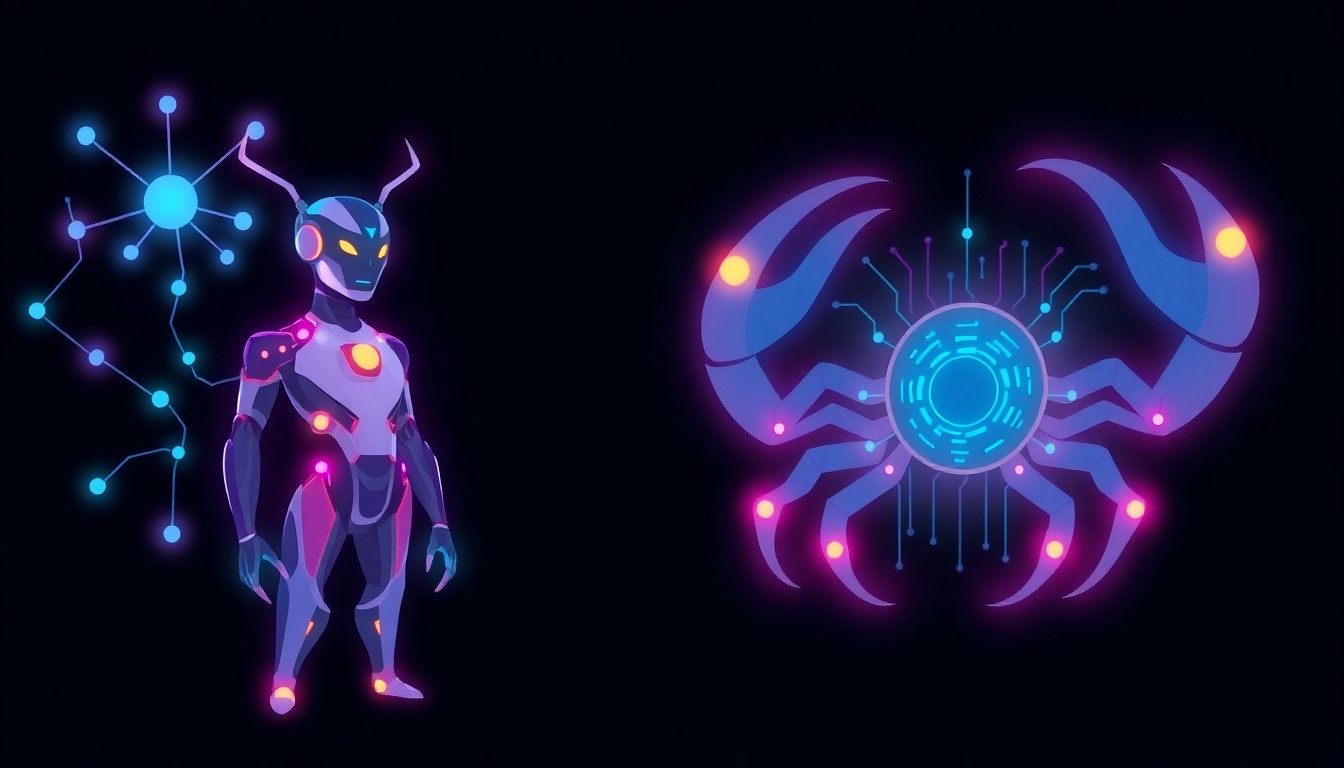
The development of AI Agents has been a significant area of research in recent years. AI Agents are software programs that can perform tasks autonomously, making decisions and taking actions based on their programming and environment. Hermes and OpenClaw are two such AI Agents that have gained attention in the AI community. They represent different approaches to AI development, with Hermes focusing on self-improvement and OpenClaw serving as a gateway to AI integration.
Core Concepts
Hermes: A Self-Improving Agent Runtime
Hermes is an AI Agent that focuses on self-improvement. This means that Hermes can adapt and learn from its environment, improving its performance and decision-making capabilities over time. Hermes is designed to be a self-contained system, capable of operating independently without requiring extensive human intervention. This self-improvement aspect of Hermes makes it an attractive option for developers looking to create AI systems that can learn and adapt to new situations.
OpenClaw: A Gateway to AI Integration
OpenClaw, on the other hand, is a gateway to AI integration. This means that OpenClaw serves as an interface between the AI system and the external environment, allowing for seamless communication and interaction. OpenClaw is designed to make it easy to integrate AI systems into existing infrastructure, making it an attractive option for developers looking to add AI capabilities to their existing systems.
AI Agents: The Difference Between Hermes and OpenClaw
The key difference between Hermes and OpenClaw lies in their approach to AI development. Hermes focuses on self-improvement, while OpenClaw serves as a gateway to AI integration. This difference in approach has significant implications for developers, as it affects the way AI systems are designed, deployed, and managed.
How It Works / Step-by-Step
While the source does not provide a detailed step-by-step guide to using Hermes or OpenClaw, we can infer the process from the descriptions provided. To use Hermes, developers would need to:
- Design and implement the AI system using Hermes as the runtime environment.
- Configure Hermes to interact with the external environment through APIs or other interfaces.
- Allow Hermes to learn and adapt to the environment through self-improvement mechanisms.
To use OpenClaw, developers would need to:
- Integrate OpenClaw into their existing infrastructure, using it as a gateway to AI integration.
- Configure OpenClaw to interact with the AI system and the external environment.
- Use OpenClaw to add AI capabilities to their existing systems.
Real-World Examples & Use Cases
Here are a few examples of how Hermes and OpenClaw could be used in real-world scenarios:
- Hermes: A company develops an AI-powered chatbot using Hermes as the runtime environment. The chatbot learns to respond to customer inquiries and adapts to new situations over time, improving its performance and decision-making capabilities.
- OpenClaw: A company integrates OpenClaw into their existing customer relationship management (CRM) system, allowing them to add AI-powered features such as predictive analytics and automated lead scoring.
Key Insights & Takeaways
- Hermes is a self-improving agent runtime that can adapt and learn from its environment.
- OpenClaw is a gateway to AI integration that makes it easy to add AI capabilities to existing systems.
- The key difference between Hermes and OpenClaw lies in their approach to AI development, with Hermes focusing on self-improvement and OpenClaw serving as a gateway to AI integration.
- Developers should consider the approach and capabilities of each AI Agent when deciding which one to use.
- AI Agents can be used to improve the performance and decision-making capabilities of existing systems.
Common Pitfalls / What to Watch Out For
- Over-reliance on self-improvement: Developers should be cautious not to rely too heavily on self-improvement mechanisms, as this can lead to unpredictable behavior and decreased performance.
- Insufficient integration: Developers should ensure that they integrate AI Agents properly into their existing systems, to avoid compatibility issues and decreased performance.
Review Questions
- What is the primary difference between Hermes and OpenClaw in terms of their approach to AI development?
- How does Hermes's self-improvement mechanism affect its performance and decision-making capabilities?
- What are some potential pitfalls to watch out for when using AI Agents like Hermes and OpenClaw?
Further Learning
To build on this knowledge, learners should explore the following topics:
- AI Development: Learners should delve deeper into the world of AI development, exploring the different approaches and techniques used to create AI systems.
- Machine Learning: Learners should learn more about machine learning, including the different types of machine learning algorithms and how they are used in AI development.
- AI Integration: Learners should explore the process of integrating AI systems into existing infrastructure, including the challenges and best practices involved.